Swinger Verification: How to Spot Authentic Swinger Couples Online

•10 min read
Join thousands of verified members in Israel's exclusive community. AI matching, complete discretion, premium experience.
The short answer: Verifying authenticity in online swinger communities means four overlapping checks - reverse-image searching profile photos, asking open-ended questions a fake profile can't answer, requiring a brief video call before meeting, and using the platform's verification badges. Real swinger couples expect this process; fake ones avoid it. Five minutes of verification saves hours of wasted time.
The swinger lifestyle works on trust. When you arrange to meet another swinger couple from an online community, you're trusting that the photos match the people, that the relationship is real, and that intentions are what they claim to be. Most of the time, all three are true - the swingers community is small enough that reputations matter and fakes get filtered out fast.
But not always. Catfishing, single men posing as swinger couples, and bait-and-switch profiles are real problems on every swinger dating platform, and the cost of getting it wrong ranges from a wasted Saturday to a genuinely unsafe meeting. Five minutes of verification work on your end closes most of that risk.
This guide walks through how experienced swinger couples actually vet who they meet - what to look for, what to ask, and when to walk away.
Before you can verify authenticity, you need to know what inauthenticity tends to look like. There are five recurring patterns across swinger dating platforms:
The most common fake. The profile claims to be a swinger couple but in practice all communication comes from one person, the photos are inconsistent (only one of the supposed partners appears clearly, or the woman looks pulled from a stock image), and any attempt to talk to "her" gets routed through "him." A real swinger couple takes turns. Both halves contribute. If one voice dominates 100% of messages, you're talking to one person.
AI-generated profiles have gotten better. Look for photos that are too perfect - flawless lighting, no candid moments, faces that look slightly "averaged." Generic profile text that could describe any swinger couple. Responses that come instantly and feel patterned. Ask one weirdly specific question about your city and watch what happens.
Profile photos show one swinger couple. The people who show up to the meet-and-greet look meaningfully different - sometimes radically different. This is what reverse image search is designed to catch.
They'll chat for hours, but every concrete verification step - a video call, a recent photo with a specific gesture, a meet-and-greet at a known swinger club - meets an excuse. Genuine swingers don't dodge verification. They expect it.
Within three messages they want to move to WhatsApp, Telegram, or a private email. Sometimes this is normal preference. Often it's an attempt to escape the swinger dating platform's safety tooling - once you're off the app, there's no profile to report, no message log to review, and no way for the platform to ban them.
Most fake swinger profiles fail at the photo stage if you look closely.
A real swinger couple's photo set has range. You'll see:
What you don't see: a profile of five identically lit, identically posed, identically filtered images that could plausibly have been taken in a single afternoon.
This is the single most useful verification tool, and almost nobody bothers with it. Save a profile photo, drop it into Google Images or TinEye, and look at where else that image appears online. If their "vacation in Tulum" photo is the cover of someone else's blog from 2019, you've found a catfish.
Do this for at least two photos from any swinger profile you're seriously considering meeting. It takes longer to explain than to do.
When you're getting close to meeting, ask for a fresh photo of them holding a specific object - today's newspaper, a pen with a specific colour, three fingers held up. Genuine swinger couples send it back in two minutes. Fakes get suddenly busy.

Photos are the first filter; the writing is the second.
A useful frame: an authentic swinger profile reads like a person describing themselves. An inauthentic one reads like an advertisement.
You won't verify someone by reading their profile twenty times. You verify them by talking to them.
Yes/no questions are easy to fake. Specific open-ended ones aren't. Try:
A real swinger couple has actual answers to these. A fake one produces vague platitudes or shifts the topic back to logistics.
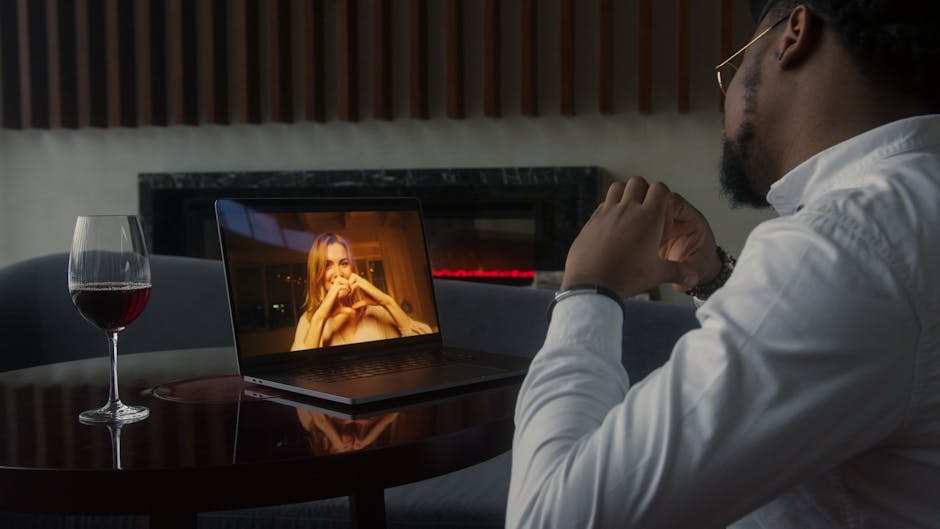
Before you meet, do a video call. Even ten minutes. The Electronic Frontier Foundation's analysis of online community trust mechanisms consistently finds that layered verification methods, including live interaction, dramatically reduce fake-profile incidents when communities adopt them.
A genuine swinger couple will hesitate the first time you ask - privacy concerns are normal in the swinger lifestyle - but once trust has built, they'll do it. A fake one will burn the chat rather than turn on a camera.
Most reputable swinger dating platforms now offer verification badges of some kind. Some use real-time selfie capture matched against the profile photo. Some verify by ID. The best layer multiple methods.
Filter for verified members where you can. Read what each badge actually means on that specific platform - "verified" is not standardized, and a checkmark on one app means something completely different on another. The platforms with strict verification have fewer matches, which is annoying - and exactly why they have fewer fakes.

When you're ready to meet, follow the swinger community's traditional safety pattern: a public meet-and-greet first, at a coffee shop or a known swinger club's social hour. Our first-time swinger club guide covers what these venues look like and how to read them, and our swinger safety guide walks through the broader pre-meet protocol.
In person, you're verifying three things:
1. The people match the photos
2. The couple chemistry is real - they interact like partners who know each other, not like two people who met an hour ago
3. Nothing they said online contradicts how they behave now
If any of those fail, the night ends at the coffee shop. No guilt. The swinger community is built on people being free to say no, as our guide to saying no without awkwardness covers in depth.
Verification is two-way. While you're checking them, you're necessarily sharing some information about yourself - and the Privacy Rights Clearinghouse has documented how lifestyle communities face unique privacy challenges that mainstream online safety advice doesn't fully address.
A few rules from experienced swinger couples:
Anyone who demands more verification from you than they're willing to offer is failing the test.
If a profile, a conversation, or a meet-and-greet hits any of the red flags above, two things matter: protect yourself, and protect the next swinger couple who might encounter the same person.
This is community work. Every fake profile reported is a fake profile that won't reach another swinger couple next week.

Verification isn't about paranoia. It's about respect - for your time, your safety, and the partner who's trusting you to vet the people you bring into your shared experience.
The swinger couples who've been in this community for years all do some version of the checks in this guide. They reverse-search photos. They ask the open-ended questions. They video-call before they meet. None of it kills the romance - it lets the real connections feel real, because the noise has been filtered out.
Five minutes of verification. Sometimes that's all it takes to turn a good night into a great one - or to avoid one that would have gone sideways.