Bisexual Curiosity in the Lifestyle: A Guide to Safe Exploration
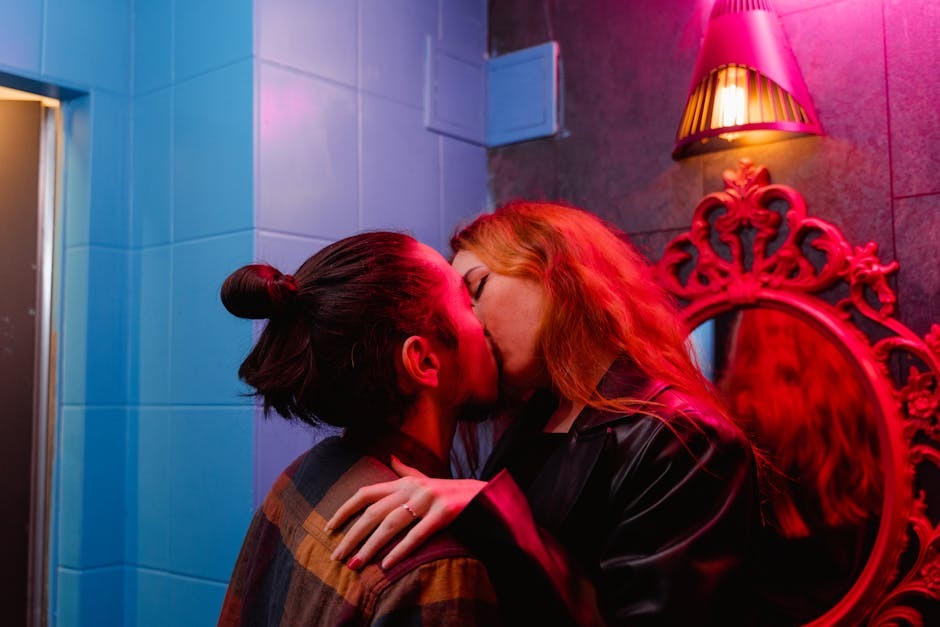
One of the most beautiful aspects of the lifestyle is how it creates space for sexual exploration that mainstream culture often discourages. And one of the most common explorations? Bisexual curiosity.
Whether you are a woman who has always been curious about other women, a man who wonders about experiences with men, or someone who simply refuses to put limits on their attractions - the lifestyle community offers an unusually accepting environment for this journey.
How Common Is Bi-Curiosity in the Lifestyle?
Very common. Multiple surveys of lifestyle participants have found:
- Over 60% of women in the lifestyle identify as bisexual or bi-curious
- Around 20-30% of men report some degree of bi-curiosity, though fewer openly identify as bisexual
- Many couples report that entering the lifestyle awakened curiosity they did not know they had
- Bi-curiosity increases with experience - the more time people spend in accepting environments, the more comfortable they become exploring
The lifestyle normalizes sexual fluidity in ways that mainstream culture often does not. When you are surrounded by people who are already questioning conventional sexual norms, exploring your own attractions feels less scary.
Women's Bisexual Exploration
Why it is more visible
Women's bisexuality has historically been more accepted in lifestyle spaces. Many FFM (two women, one man) scenarios naturally include woman-on-woman activity, and many couples' fantasy lists include female bisexual play.
The complexity beneath the surface
While acceptance is generally high, women exploring bi-curiosity face their own challenges:
- "Performing" vs. authentically exploring. Some women feel pressure to engage in same-sex activity to please their male partner rather than because they genuinely want to. The key question: "Am I doing this for me or for him?"
- Bi-erasure. Being told "you are not really bisexual" or "it is just a phase" - even within the lifestyle community.
- Emotional connections. Same-sex encounters can sometimes create unexpectedly deep emotional connections that catch women off guard.
Tips for women exploring:
- Go at your own pace. There is no requirement to go from curious to experienced in one evening.
- Communicate with your partner. Let them know what you are curious about and what you need from them (support, space, patience).
- Start with kissing and touching. You do not need to jump to oral sex or more. Build comfort gradually.
- Find a patient, experienced partner. Whether another woman in the lifestyle or a bi-friendly couple, the right first experience matters.
Men's Bisexual Exploration
The stigma challenge
Men's bisexual curiosity remains more stigmatized - even in the lifestyle. While the community is broadly sex-positive, many men fear judgment from their female partners, other men, or the community at large.
The reality
- Many men experience curiosity about other men - from mild interest to strong desire
- MFM (two men, one woman) scenarios sometimes awaken feelings that surprise participants
- The "accidental touch" in group play situations can reveal attractions that men had not previously acknowledged
- Having bisexual feelings does not change your identity or your commitment to your partner
Tips for men exploring:
- Talk to your partner first. This is the most important step. Frame it honestly: "I have been curious about exploring with men. How would you feel about that?"
- Expect a range of reactions. Some partners will be enthusiastic. Others will need time. A few may be uncomfortable. All reactions are valid.
- Start in low-pressure environments. A soft-swap MFM where some male-male contact happens naturally is lower pressure than seeking out a specifically male-male encounter.
- Connect with bi-friendly communities. Look for lifestyle groups, events, or platforms that explicitly welcome male bisexuality.
- Reject the labels if they do not serve you. You do not need to identify as bisexual to explore. "Curious" or "open" or no label at all is perfectly fine.
Communication with Your Partner
If you are the curious one:
1. Choose the right moment. Not during sex, not during an argument, not after drinking. Choose a quiet, connected moment.
2. Be honest about what you feel. "I have been having thoughts about exploring with [same sex]. I am not sure what it means yet, but I want to be open with you."
3. Reassure your partner. Bi-curiosity is not about what is missing in your relationship. It is about what is inside you.
4. Give them time to process. Do not expect immediate enthusiasm. This may challenge their assumptions about you and your relationship.
If your partner comes out as curious:
1. Thank them for trusting you. Coming out with bi-curiosity - especially for men - requires enormous vulnerability.
2. Ask questions from a place of genuine curiosity, not interrogation. "What made you realize this?" "What does this look like for you?"
3. Examine your own feelings. Surprise, discomfort, or even excitement are all normal reactions.
4. Take time before deciding together what, if anything, to explore and how.
No Labels Pressure
One of the most liberating aspects of exploring bi-curiosity in the lifestyle is that you do not need to define yourself.
You can:
- Be curious without acting on it
- Experiment once and decide it is not for you
- Enjoy same-sex activity in specific contexts (like the lifestyle) without identifying as bisexual
- Fully embrace bisexuality as part of your identity
- Change your mind over time - multiple times
Sexual orientation is a spectrum, not a checkbox. The lifestyle community at its best understands this and creates space for people to explore without pressure to categorize themselves.
The lifestyle community has made significant progress in welcoming bisexual exploration:
- Women's bisexuality is widely accepted and celebrated
- Men's bisexuality is increasingly accepted, though some pockets of resistance remain
- Bi-friendly events are growing in popularity
- Online communities provide anonymous spaces for discussion and support
- Platforms like Onyx Club allow members to express their interests and preferences openly, matching them with compatible partners who share their openness
What still needs work:
- Some couples still list "no bi males" in their profiles - while this is their right, it can feel exclusionary
- Male bisexuality is sometimes treated as more "significant" than female bisexuality
- The community can sometimes pressure women into same-sex activity they are not ready for
Creating Safe Space for Exploration
Whether you are exploring yourself or supporting a partner who is:
- Consent is paramount. No one should feel pressured to perform any sexual act they are not genuinely excited about.
- Aftercare matters. Same-sex exploration can trigger unexpected emotions. Check in with yourself and your partner afterward.
- Discretion is important. Someone's bisexual exploration is their story to tell - not yours.
- Patience is essential. Exploration is a journey, not a destination. There may be false starts, changed minds, and evolving desires. That is all normal.
---
Looking for a community that celebrates all forms of exploration? Onyx Club connects you with open-minded, verified couples and individuals who embrace sexual fluidity. Join us.